

Research on stress relief and behavior intervention products
Behavioral intervention remains one of the weakest points in contemporary well-being product design. Many tools can track mood or prompt reflection, but far fewer can support people during the exact moment when control starts to slip. That gap becomes especially visible in situations shaped by urgency: compulsive behaviors, emotional overload, and impulsive reactions.
The current market reflects that tension. Digital health products have expanded quickly, and wearable technology has become more sophisticated, yet many interventions still assume that users can pause, think clearly, and choose rationally under stress. In practice, moments of escalation rarely work that way.
This raises a central question:
Which emotional regulation tools reach users more effectively, and how should they be designed to work within real behavioral contexts?
1. Digital Therapeutics:
Riding the Cognitive Wave
In the 2026 market, the smartphone remains the first line of intervention. The role of the phone has evolved from passive logging to active, real-time support, often shaped by principles from Dialectical Behavior Therapy (DBT).
Apps are helping users outlast the peak of an urge. Calm Harm offers 5- to 15-minute activities under categories such as “Comfort” or “Release.” The design logic is simple: if the user can stay engaged in another activity during the most intense phase, the urge often decreases on its own.
Platforms such as Headspace use empathetic AI to provide on-demand coaching. This fills a gap for users who do not have immediate access to a therapist, friend, or support system at the exact moment they need help.
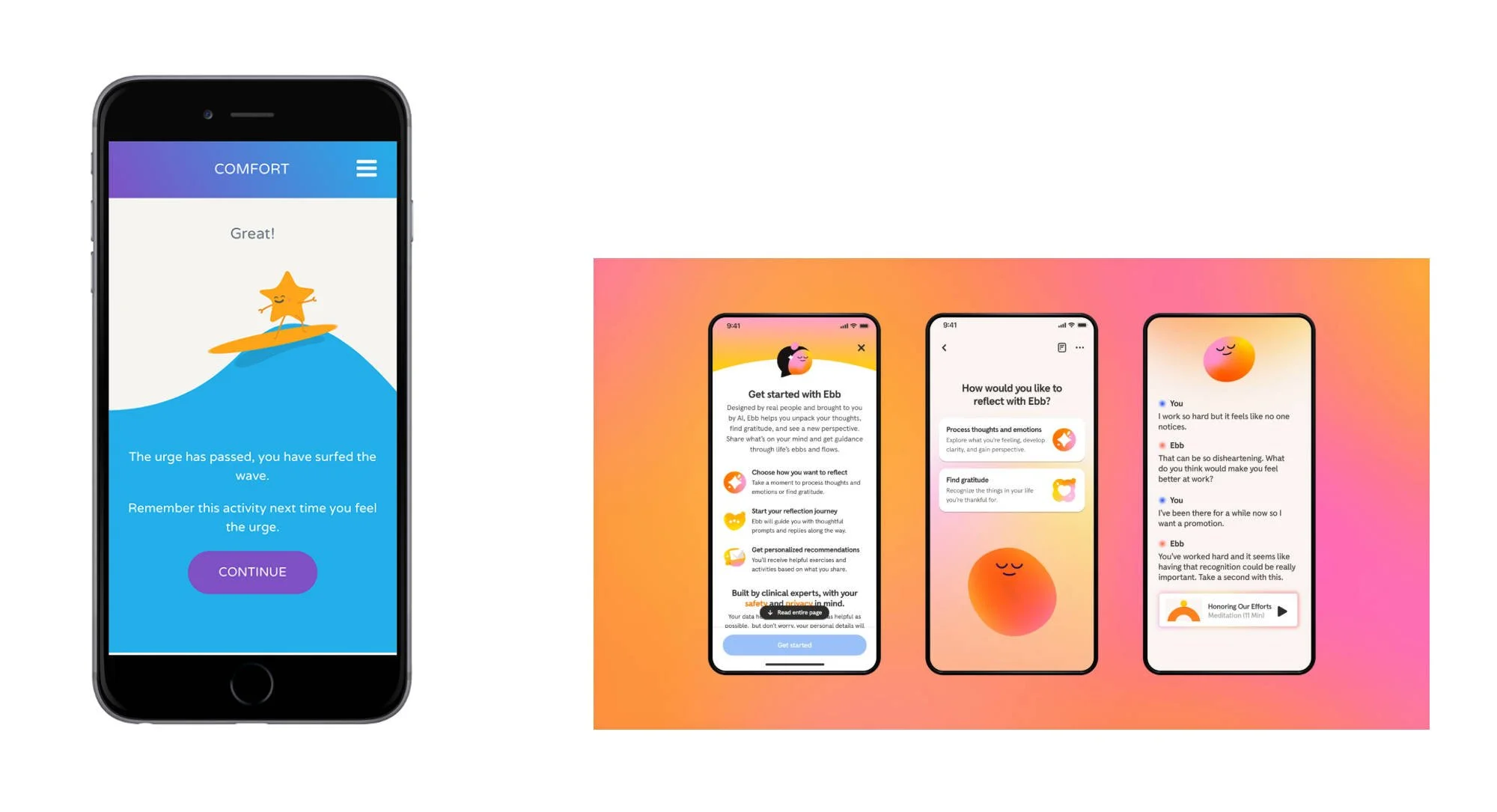
But digital intervention has a weakness: friction. During a crisis, users abandon tools that load slowly, require a complex login, or ask for too many decisions. A distressed user has very limited cognitive bandwidth. Every extra step increases the likelihood of the intervention failing.
Design Strategy: Reduce cognitive load and simplify the user flow so the tool is available right when it's needed.
2. Somatic Intervention:
Resetting the Body First
Yet even the best digital tools remain limited. They are good at speaking to the mind, but much less effective when the body has already entered a fight-or-flight state.
When emotional flooding occurs, the body often moves faster than conscious reasoning. In that state, regulation works best through physiological channels. Designers are increasingly translating the DBT TIPP framework—Temperature, Intense Exercise, Paced Breathing, and Progressive Muscle Relaxation—into products that help reset the nervous system.
Temperature intervention is one of the clearest examples. They create a measurable shift in body status. This is why products such as heated/cooling eye masks and portable ice packs are being positioned as “physical brakes” for acute stress.
Paced-breathing tools operate on a similar principle. Devices such as the Komuso Breathing Necklace use physical resistance to extend the exhale, which supports parasympathetic activation. The product turns an abstract instruction into a guided bodily action.

This category matters because it addresses a specific design problem: some users cannot think clearly at the point of escalation. They still need a way to interrupt the chain of reaction.
Design Strategy: Somatic tools can give users an entry point that works through the body first.
3. Low-Tech:
The Rise of Tactile Tools
The market for fidget tools has also expanded rapidly, moving from children’s products into mainstream stress-relief and self-regulation. This shift reflects a broader recognition that tactile input can redirect energy, reduce agitation, and provide grounding.
Calm Strips are a strong example of discreet stimming. These textured adhesives can be placed on a phone, laptop, or desk surface. They give users a safe tactile target for rubbing or tracing, which can help redirect behaviors such as skin-picking.
Weighted products rely on a different mechanism. Items such as weighted plush toys and blankets create a sense of containment, which many users experience as soothing and regulating.
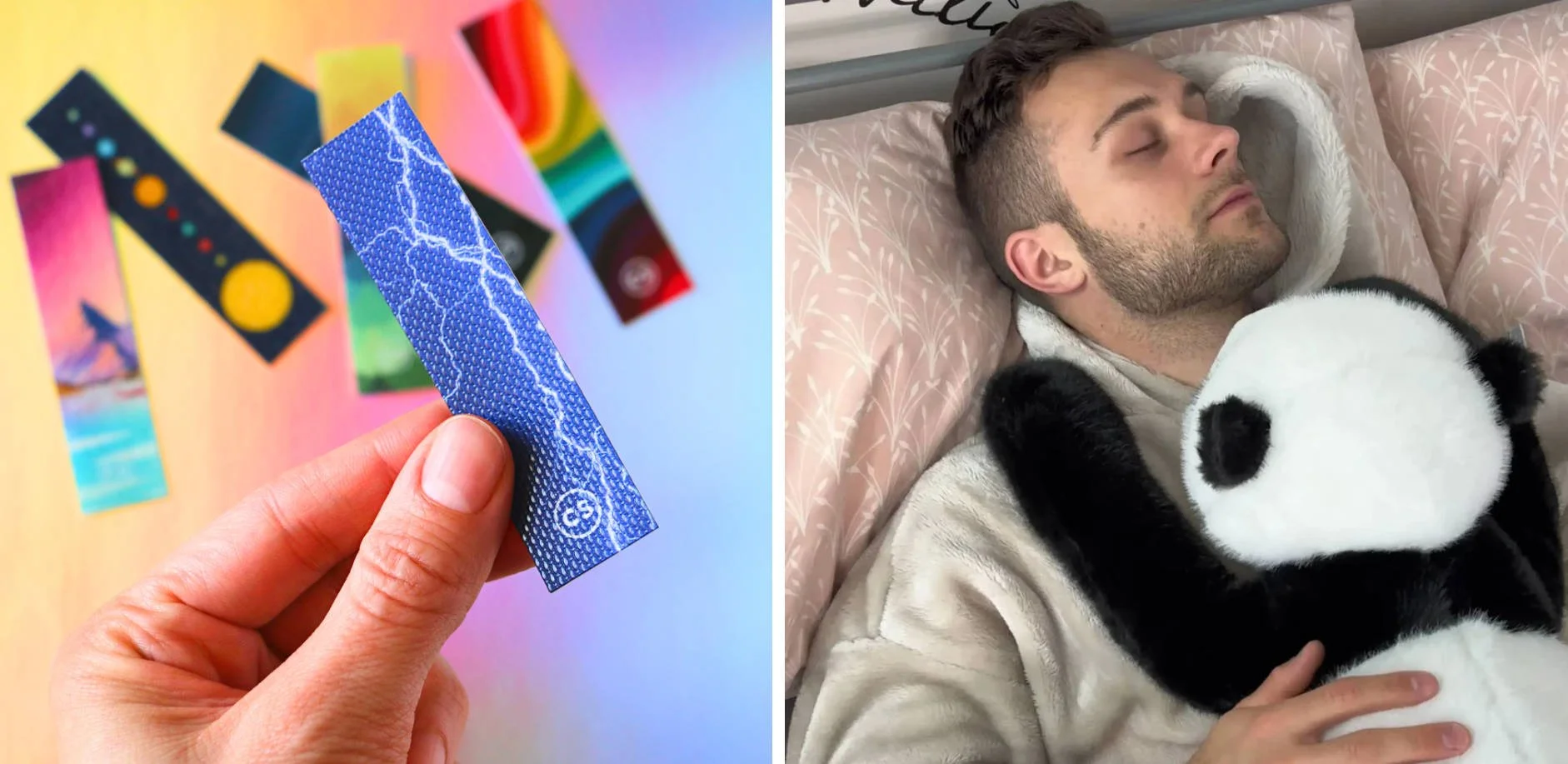
Design Strategy: Design tactile and embodiment tools to help users calm down and redirect repetitive or destructive impulses into safer actions.
4. The Aesthetic Gap:
Stigma and the Need for Aesthetic Dignity
However, for many adults, the problem is not only whether an emotional regulation tool works. It is whether using it makes them feel exposed, infantilized, or professionally diminished.
A large share of tools still communicate “therapy product” or “children’s sensory aid” through color, form, and material choices. For many adult users, that creates resistance to using it even when the product works well.
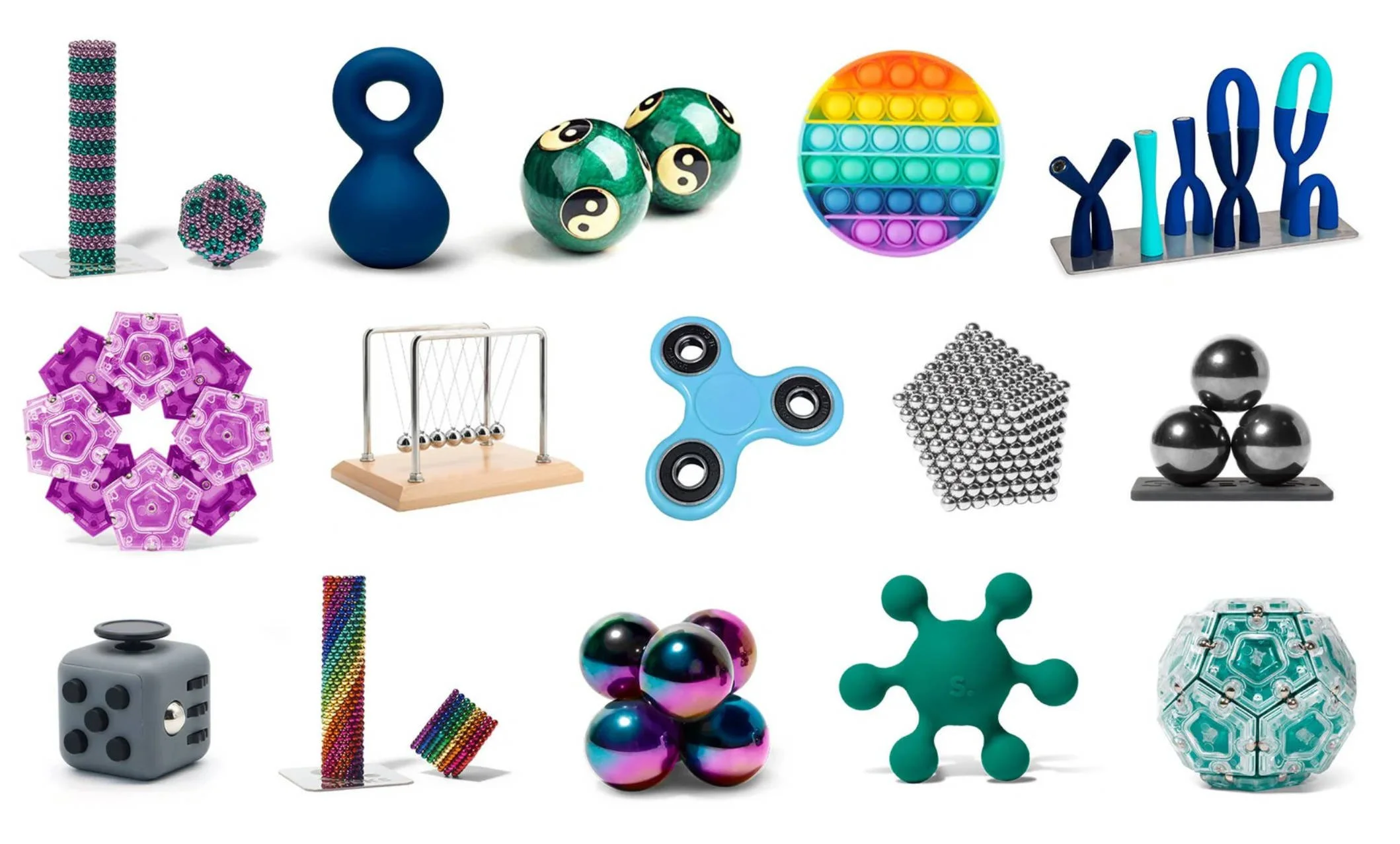
Customer feedbacks:
“I hide my fidget roller in my pocket when I use it. Now everybody knows it’s for ADHD. I’m afraid of being judged as unstable or incapable of self-management.”
“I don’t want to use my mental health diary app in front of my friends. The interface looks too medical.”
Design Strategy: emotional regulation tools can carry the functional intensity users need, while presenting through visual language that supports adult identity.
5. Wearable as an External Brain
Once this gap is recognized, the next move becomes obvious. If visible therapeutic tools create stigma, the market will naturally move toward interventions built into everyday objects.
Wearables are increasingly becoming behavioral support systems. Their advantage is straightforward: they already occupy a socially accepted place on the body. A ring, bracelet, earbud, or watch can deliver intervention without demanding attention from other people.
For users with ADHD, anxiety, or impulse-control challenges, a wearable device can function as a “second brain”: a vibration can be an alarm for stress level and a prompt for taking action. The cue is immediate, private, and low-friction.
This space is also shifting from monitoring to intervention. Earlier consumer wearables focused heavily on tracking: heart rate, sleep, stress, or activity. Newer products are beginning to pair detection with response. Devices such as Apollo Neuro and Pavlok point toward that direction by using vibration or electrical stimulation to influence the state in real time.
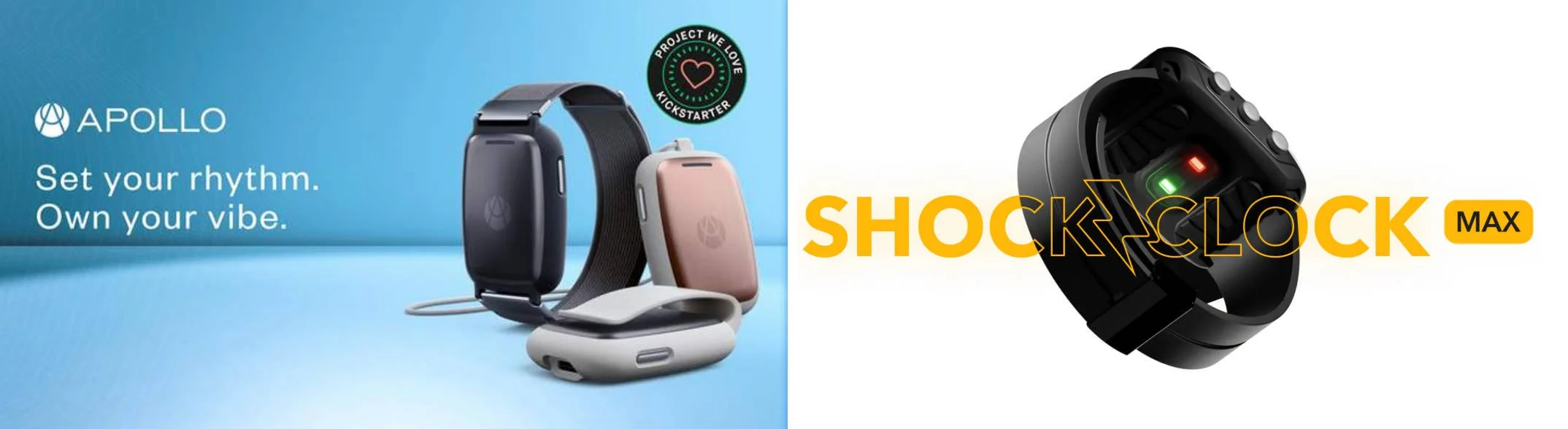
That transition matters from a design perspective. Data alone does not regulate behavior. A closed-loop system has stronger behavioral value because it detects a state change and then delivers a response through the same device ecosystem.
Design Strategy: Design wearables as a closed-loop user flow: detect, alarm, take action.
6. 2026 Trends: Invisible Integration
The strongest direction in 2026 is the gradual disappearance of the visible device. Support is moving into jewelry, clothing, and the built environment. This “dissolution of the device” reduces friction and lowers the visibility of self-regulation.
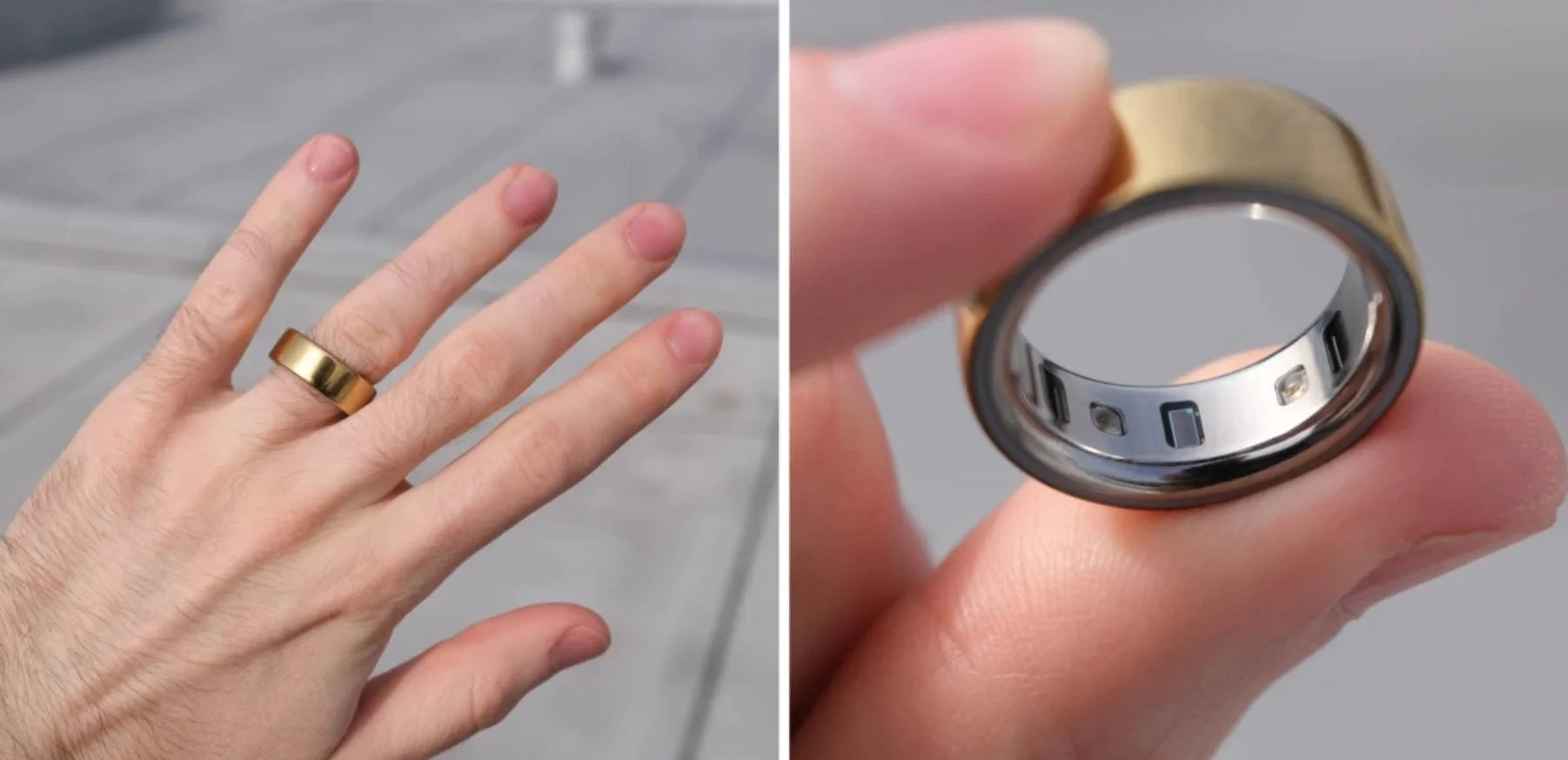
Smart jewelry is a clear example. Products such as Oura Ring 4 and RingConn Gen 3 show how biometric sensing can move into compact, socially normalized forms. These products succeed partly because they look familiar. They fit into existing habits and aesthetics, which lowers resistance to long-term use.
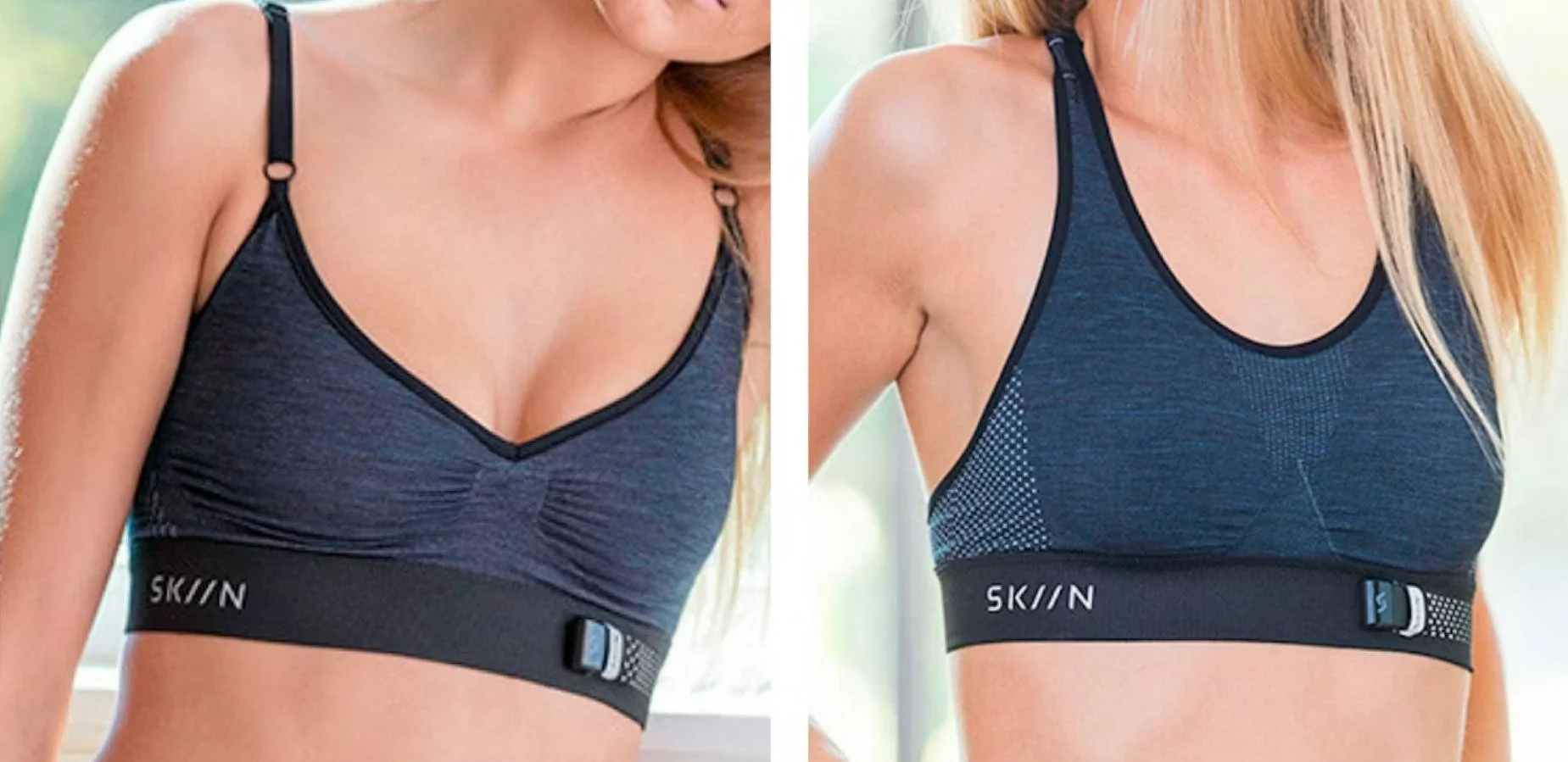
Invisible textiles extend the same logic. Companies such as Hexoskin and Skiin integrate sensors directly into clothing, allowing physiological monitoring without a wrist-worn device. The body remains the site of measurement, while the technology recedes into the background.
Ambient environments take this further. Smart furniture and workplace systems are beginning to incorporate pressure sensing, posture tracking, and subtle haptic cues. In this model, regulation support becomes part of the environment rather than a separate object that the user must activate.
This direction matters because it changes the user’s role. The system requires less active management, less self-disclosure, and fewer conscious decisions. That makes support more sustainable over time.
Design Strategy: Embed sensing and feedback into everyday objects such as rings, garments, and furniture, so regulation functions as a background support system.
Design Strategy Summary
App-based support remains highly accessible, but its value depends on how quickly users can enter and use it during distress.
- Enable near-instant access
- Use one-step, low-friction interaction flows
Somatic interventions are effective because they can shift the physiological state before users regain cognitive control.
- Use somatic inputs
- Create fast sensory feedback with minimal conscious effort required
Tactile tools help by redirecting nervous energy into safer sensory actions with minimal effort.
-Use tactical sensation to redirect repetitive or destructive impulses
- Keep tools portable and easy to use repeatedly
Users care about their identity and aesthetic dignity when using emotional support products at the workplace or in public.
-presenting through visual language that supports identity
-integrate into objects that users use in daily life